Emergency Tarping: What to Do the Morning After an Idaho Storm
A storm just hit and water is coming in. Here's what Bork Meridian tells homeowners to do in the first 24 hours — and when to get a professional dry-in.
We hear the same panic in every homeowner’s voice when they call us at dawn. That spreading wet spot on your ceiling means the clock is ticking on major structural repairs. Our professional service team provides a specific playbook to Treasure Valley residents facing this exact crisis.
National data shows the average U.S. household claim for water damage and freezing now exceeds $12,500. We will walk you through the immediate steps you must take to secure your property.
This guide outlines everything you need to know about emergency tarping before our full storm damage restoration crew arrives the next morning.
Emergency Tarping: What to Do the Morning After an Idaho Storm
We always tell clients to address the inside of the house before looking at the roof. A fast response stops a minor repair from becoming a massive expense. Recent data shows that repairing water-damaged ceiling drywall averages between $1,500 and $5,000. Our teams recommend following these five rapid steps to secure the room.
- Move furniture and electronics out from under the drip zone.
- Put down buckets or bins to catch water, and place towels around them to prevent splash damage on your hardwood floors.
- Lay 6-mil polyethylene drop cloths over everything in the room to protect against falling drywall or wet insulation.
- Turn off power to affected rooms at the breaker if water is anywhere near electrical outlets, lights, or fixtures.
- Pierce the ceiling bulge. Counterintuitive but important, you should poke a small hole in the center of a sagging ceiling to drain the water into a 10-gallon tote. A controlled leak is far safer than a sudden, catastrophic drywall collapse.
Next 30 Minutes: Document Everything
We know that insurance companies require extensive proof to process a storm damage claim. The Idaho homeowners insurance market experienced a 17% rate increase in 2024. Our claims specialists find that adjusters scrutinize roof age and property maintenance more aggressively than ever.
You must photograph everything before anyone starts cleaning up. We have seen poorly documented claims result in thousands of dollars of out-of-pocket expenses.
Your smartphone camera is your best defense. Our recommended documentation checklist includes specific angles.
- Interior water damage to the ceiling, walls, and floors.
- Any visible damaged items like specific furniture brands, electronics, and rugs.
- Exterior views of the roof from the ground using your camera’s zoom feature.
- Debris in the yard including specific branches, blown-off shingles, or tree limbs.
- Damage to other exterior surfaces such as windows, siding, and gutters.
We strongly suggest taking video footage as well. A slow pan of each damaged room gives your insurance adjuster a clearer picture of the event.
Do NOT Climb on the Roof
We understand the overwhelming temptation to throw a tarp up yourself. A wet and damaged roof is one of the most dangerous surfaces imaginable. The Occupational Safety and Health Administration reports that falls account for about one-third of all construction fatalities.
Our crews use specialized fall protection harnesses for a reason. Federal standards require strict fall protection at just six feet of height in residential construction. We see multiple Treasure Valley homeowners hospitalized every year after failed DIY tarping attempts.
One slip on wet asphalt shingles can easily result in a permanent injury. Our advice is simple. No temporary fix is worth a broken back.
When to Call for Professional Tarping
We receive frantic calls for emergency roof services throughout the Treasure Valley. Knowing exactly when to request dispatch can save your property from secondary mold damage. Industry standards show that mold begins growing on wet drywall within 24 to 48 hours. Our team responds to these specific trigger events immediately.
- Water is actively entering your home through the ceiling.
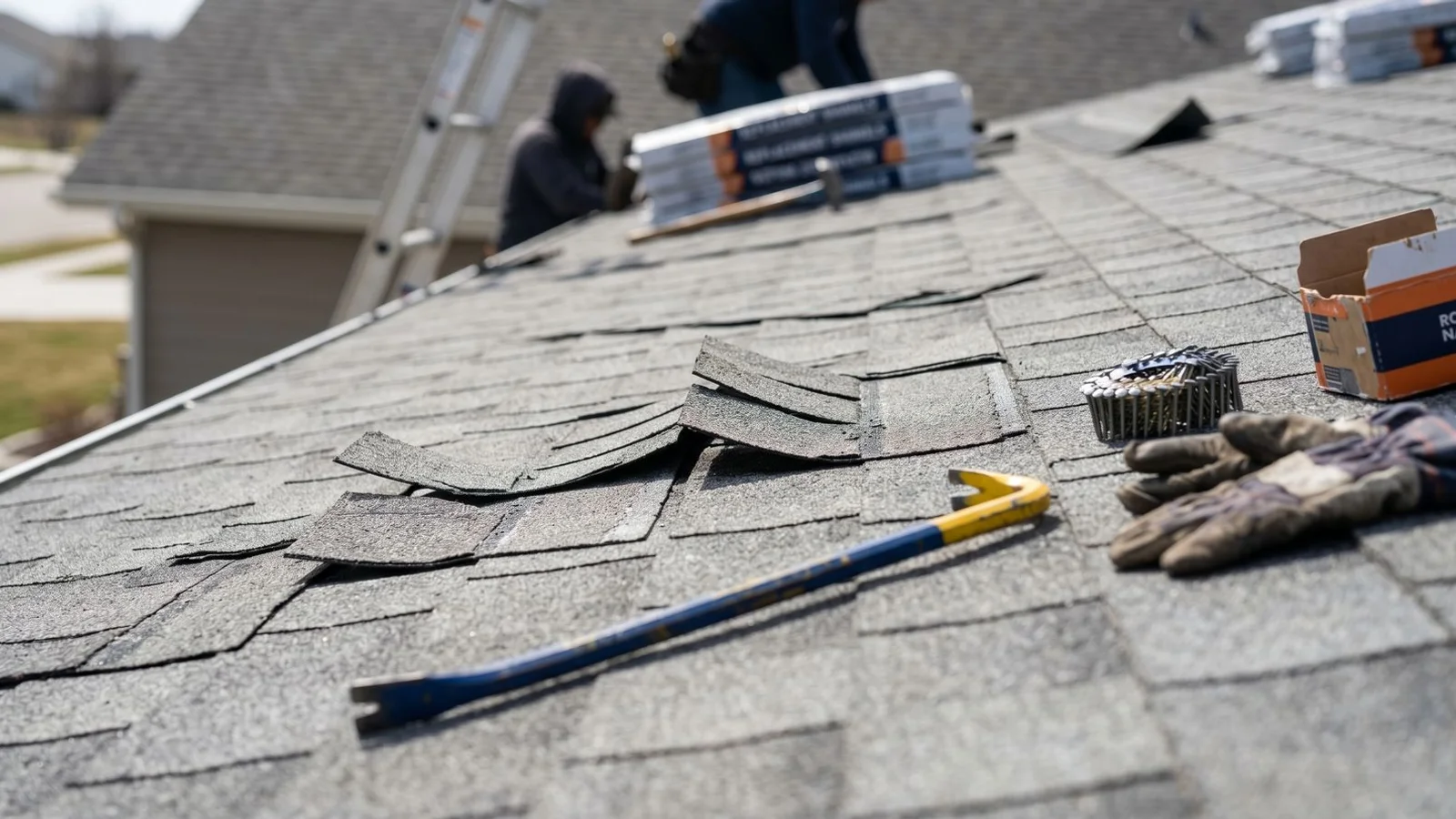
- You can see missing shingles, exposed roof decking, or a tree branch penetrating the attic.
- The damage extends beyond a small, contained leak into multiple rooms.
- Rain is in the local forecast again within the next 48 hours.
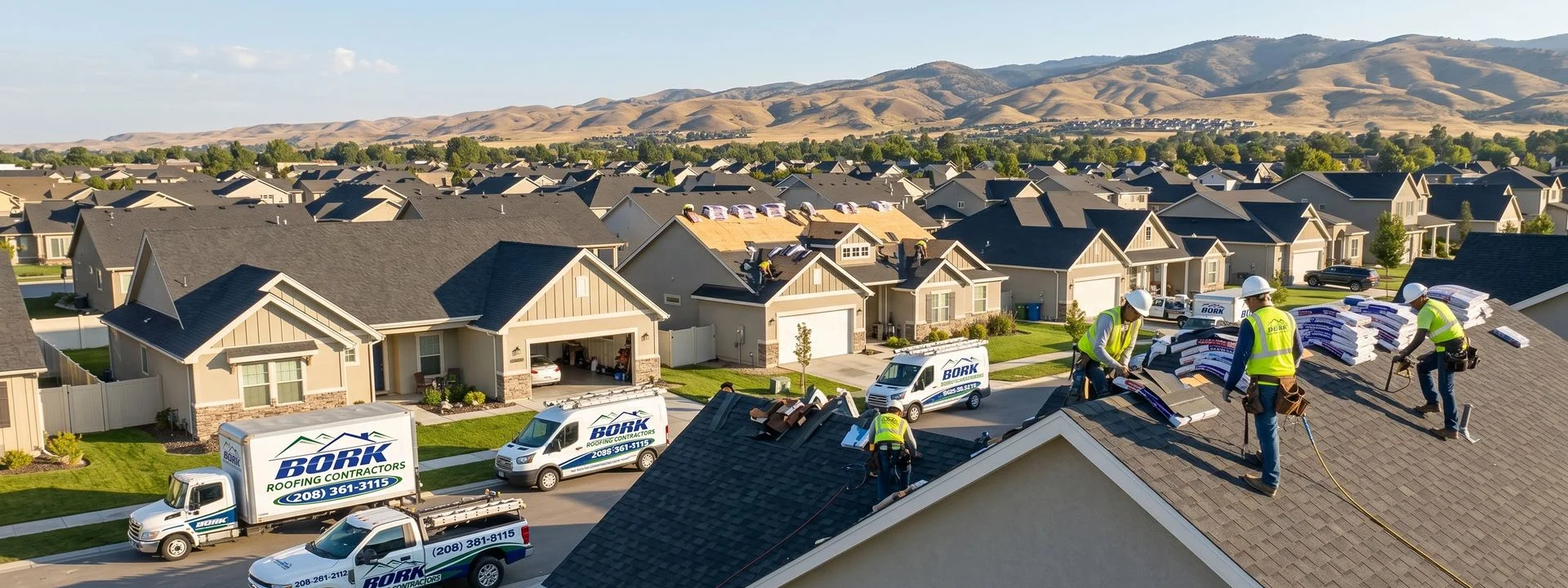
We prioritize rapid response to prevent further destruction. Most Meridian-area emergency dispatches arrive on-site within 30 minutes of the call. Our Bork Meridian 24/7 emergency line is (208) 361-3115.
What Professional Tarping Looks Like
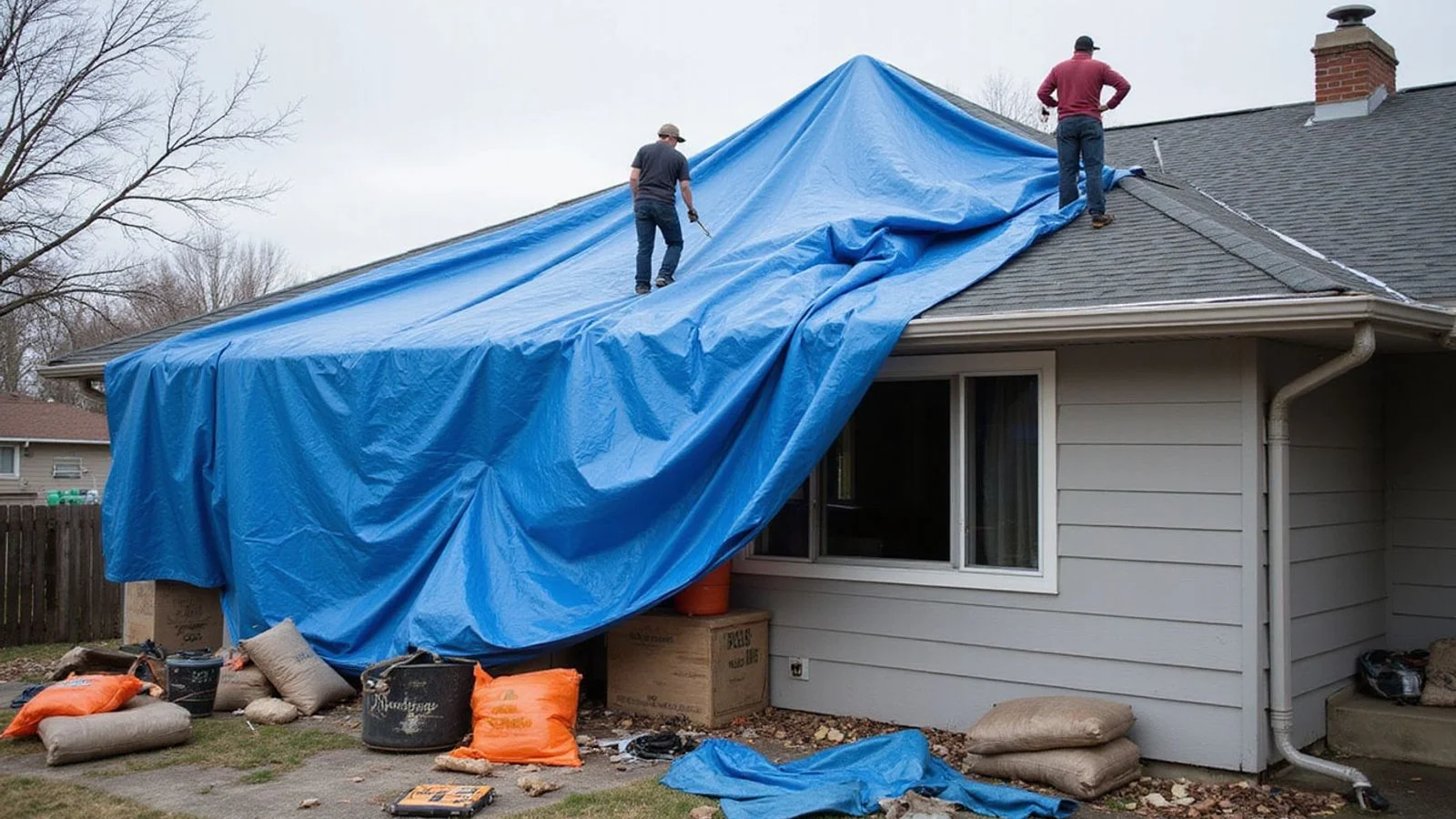
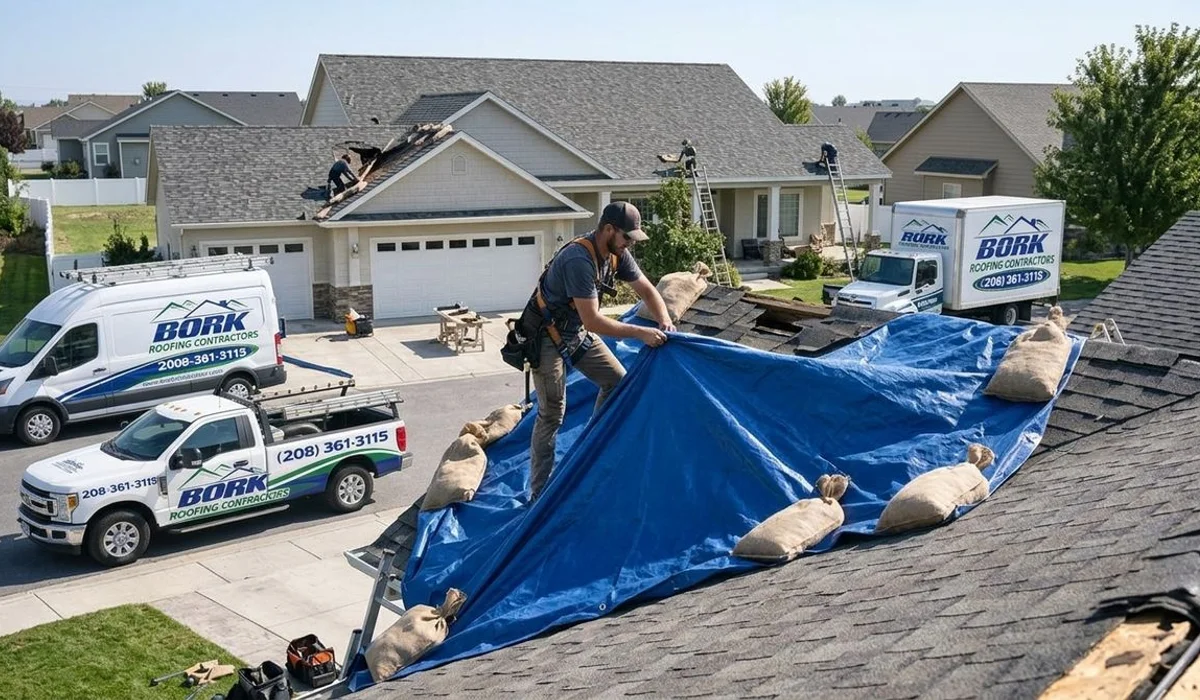
We often replace flimsy blue camping tarps that homeowners hastily nailed up themselves. A proper emergency tarp requires specific industrial materials to withstand high winds.
Heavy-duty roof tarps must be at least 16-mil woven polyethylene to prevent tearing. Our installation process guarantees the waterproof barrier stays exactly where it belongs.
The Federal Emergency Management Agency recommends specific anchoring techniques that go far beyond standard roofing nails. We wrap the tarp edges around wooden furring strips to prevent wind uplift.
This method secures the material against gusts up to 50 miles per hour. Our professional installation includes several key components.
- A heavy-duty reinforced 16-mil tarp sized to cover the damage plus a generous three-foot overlap.
- Wooden 1x2 furring strips rolled into the tarp edges to distribute tension evenly.
- Proper nailing into sound sheathing instead of driving fasteners into already compromised material.
- Sandbags or weighted anchors placed strategically as a secondary backup.
- Tarp overlap up and over the top ridge line so water cannot flow behind the top edge.
- No exposed cut edges facing uphill toward the rain.
We want you to clearly see the difference in quality. A poorly installed sheet will blow off in the next gust. Our team built this quick comparison to highlight the differences.
| Feature | DIY Store-Bought Tarp | Professional Emergency Tarp |
|---|---|---|
| Material Thickness | 5-mil to 6-mil light duty | 16-mil to 20-mil woven polyethylene |
| Wind Resistance | Tears easily in high winds | Withstands 50+ mph gusts |
| Anchoring Method | Nails driven directly through plastic | Edges wrapped in wooden furring strips |
| Lifespan | Days | Weeks to months |
These heavy-duty systems hold for weeks if necessary while you schedule a permanent roof replacement.
After the Tarp: The 48-Hour Window
We emphasize that an emergency tarp is only a temporary pause button on your storm damage. You have roughly a 48-hour window before permanent repair or restoration planning must begin. The average insurance adjuster takes three to five days to arrive on-site in the Treasure Valley. Our specialists use this critical waiting period to build your strong case.
Executing the Post-Storm Plan
An organized approach speeds up the final payout from your insurance carrier. We handle the technical details so you can focus on getting your home back to normal. The standard 48-hour protocol includes five essential steps.
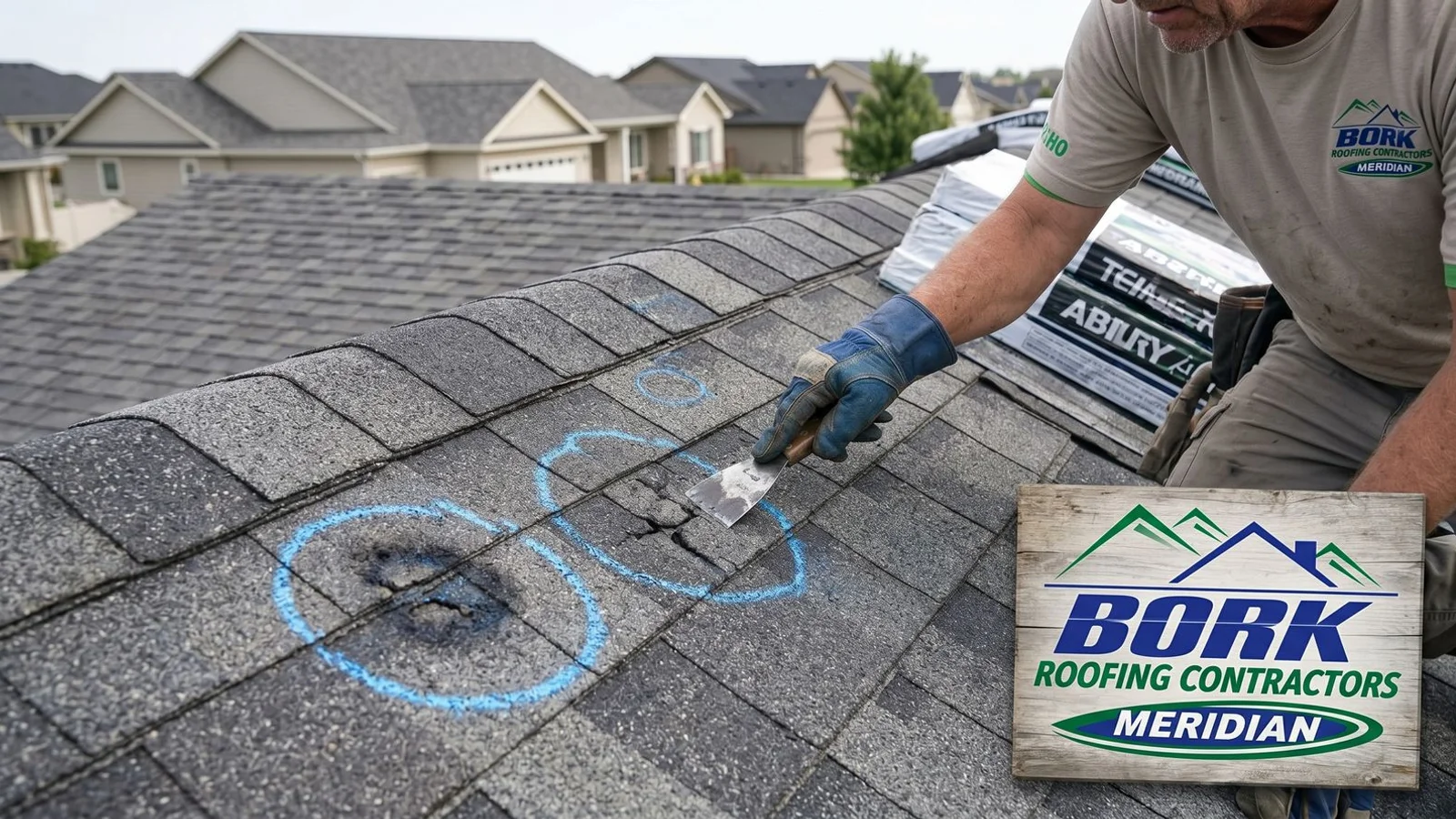
- Complete a full post-storm inspection with comprehensive photo documentation of the 16-mil tarp and the surrounding roof deck.
- Help you file your initial insurance claim with accurate event dates and damage descriptions.
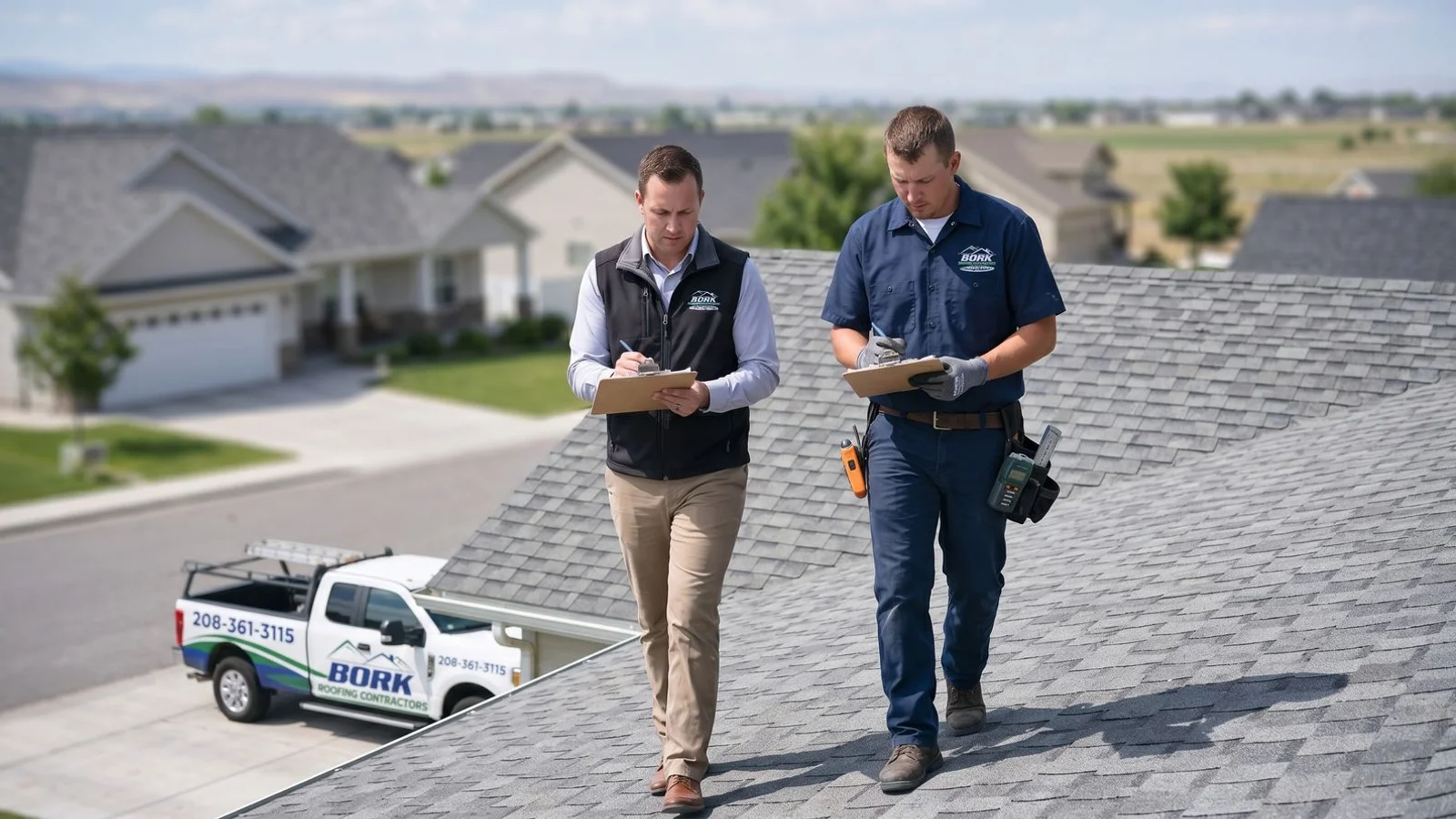
- Meet your assigned adjuster on-site for the official damage walk to ensure they see every compromised shingle.
- Prepare the formal scope of work using exact measurements and local building code requirements.
- Schedule full permanent repair or complete roof replacement.
We usually schedule full permanent work within the week for most Bork Meridian emergency responses. Rapid scheduling prevents your home from sitting vulnerable through the next weather cycle.
Save Our Number
We highly recommend adding our contact information to your phone before disaster strikes. Finding a reliable contractor at dawn is a stressful experience. Save this number immediately: (208) 361-3115 for the Bork Meridian 24/7 emergency line.
Our local dispatch center is answered by a real person around the clock, keeping local crews on standby to secure your property immediately.
Understanding the facts about emergency tarping: what to do the morning after an Idaho storm ensures you make the best decisions for your home. Call us today to schedule a proactive roof inspection, or keep our number handy for your next weather emergency.